Preventing and treating oxidation in wine
20 October 2026
Share this article:
- Link copied
- Share on LinkedIn
- Share on X
- Share on Facebook

Introduction
Oxygen is both an ally and an enemy of wine. In small, controlled amounts it helps maturation; in excess, it spoils colour, aroma and taste.
Oxidation begins as soon as the berry is crushed. Must protection should therefore be planned from reception onwards, with the right use of sulphur dioxide and antioxidants, low temperatures and as few rackings as possible.
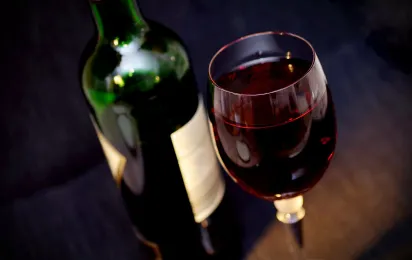
The first signs of oxidation are usually visual: white wine darkens towards gold and red wine loses its purple hues.
Aromatic changes follow, with notes of apple, walnut or honey covering the fruity aromas of the variety. The earlier the problem is spotted, the more options there are to correct it.
“The best treatment for oxidation is prevention: every racking, every filtration and every headspace in the tank is an opportunity for oxygen.”
- Keep tanks always full or under inert gas.
- Check free SO₂ regularly and adjust the dose.
- Use tannins and ascorbic acid where appropriate.
Laboratory monitoring of dissolved oxygen and redox potential gives the most reliable picture of the state of the wine.
Conclusion
With good planning, the right products and regular analyses, oxidation can be greatly reduced. The key control points are:
- reception and pressing,
- rackings and filtrations,
- bottling and closure.
Our team can help you choose the right antioxidants and set up an analysis plan for every stage of production.
Share this article:
- Link copied
- Share on LinkedIn
- Share on X
- Share on Facebook